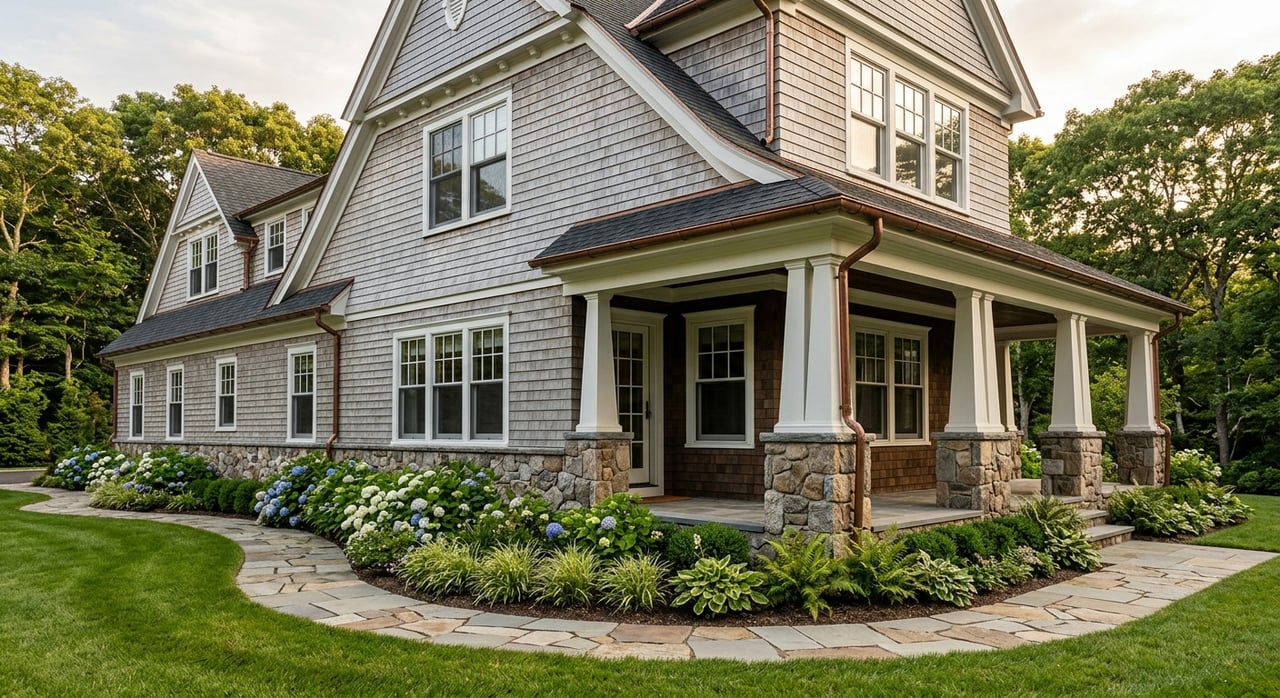
Wondering why so many luxury homes in Wellesley feel timeless, even when they come from very different eras? That is not an accident. In Wellesley, architecture is closely tied to lot size, landscape, and neighborhood context, which means style tells you more than how a house looks from the street. If you are buying, selling, or simply trying to understand what defines high-end housing here, this guide will help you read the architectural language of Wellesley luxury homes. Let’s dive in.
Why architecture matters in Wellesley
Wellesley’s residential character was shaped over decades of growth, from the late nineteenth century through the twentieth century. The town’s historic preservation guidelines describe a community with many architecturally significant homes set within mature landscapes, with development patterns influenced by commuter access and estate-era land planning.
That matters in the luxury market because buyers are often responding to more than square footage. In Wellesley, a home’s design, roofline, entry, massing, and relationship to the lot all help shape its presence. Local review materials also show that exterior character is treated as part of how a home fits its street and surroundings, not just as a decorative choice.
Colonial Revival leads the market
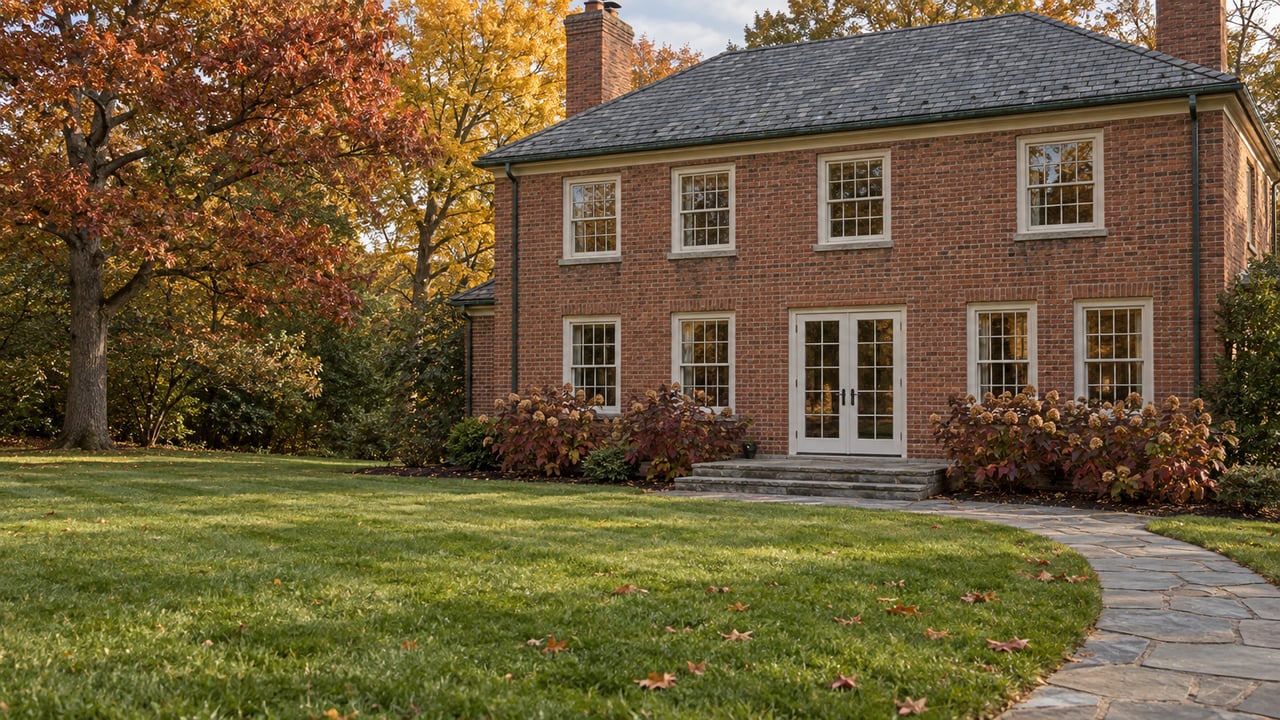
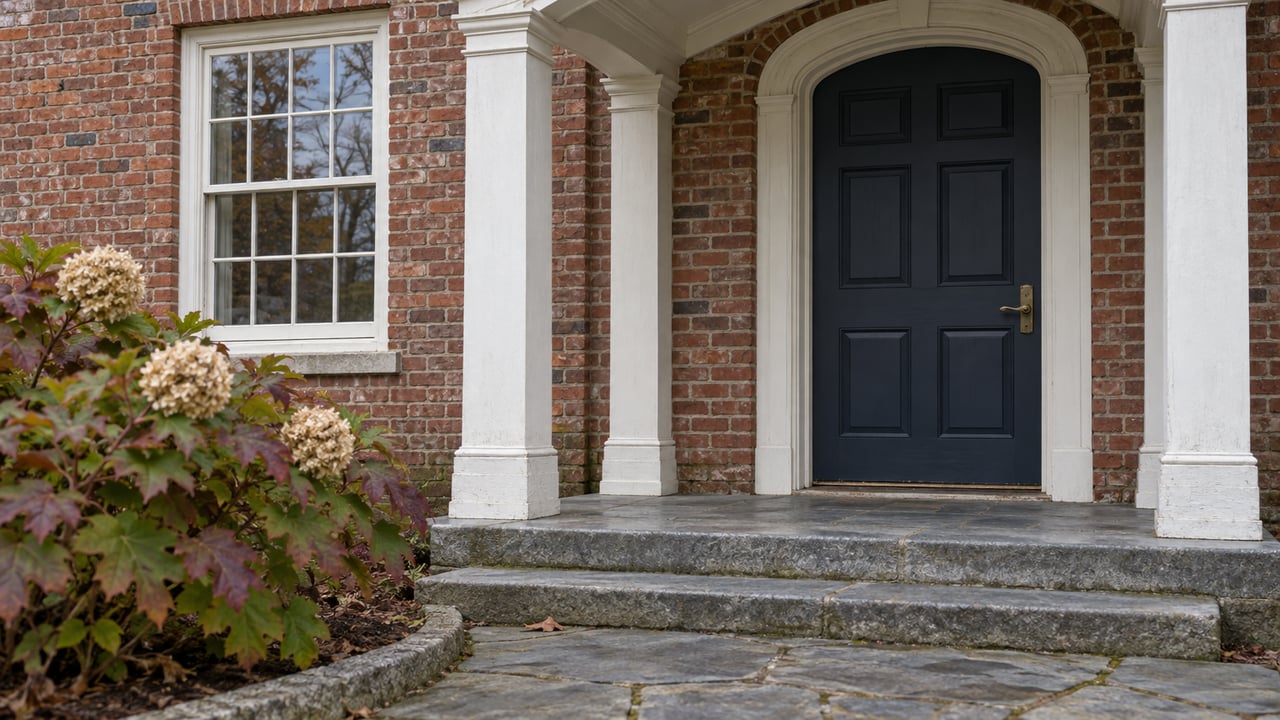
Among Wellesley luxury homes, Colonial Revival is the most consistently visible style. It draws from eighteenth-century East Coast colonial architecture and typically features symmetry, classical entries, sidelights or fanlights, columns or pilasters, and double-hung windows.
In practical terms, this style tends to feel polished, balanced, and enduring. It is part of why so many high-end Wellesley homes look formal without feeling overdone. For buyers, that often translates into a home that feels both traditional and adaptable.
Wellesley has several public examples that show this clearly. Town records identify 38 Calvin Road, built around 1922, as a Colonial Revival residence with a side-gable roof, three-bay facade, centered portico, sidelights, dormer, and shutters. Similar features appear at 45 Windsor Road, built around 1928, and 7 Woodcliff Road, built around 1933.
Another important reference is 38 Lowell Road, which the town identifies as an early Colonial Revival example tied to Royal Barry Wills. That connection matters because his work helped shape Wellesley’s broader residential identity.
What buyers often notice
With Colonial Revival homes, you are likely to notice:
- Symmetrical front facades
- Centered front entries
- Classical trim and detailing
- Side-gable roof forms
- A sense of order and proportion
These features often photograph beautifully and hold broad appeal in the resale market. They also tend to work well with thoughtful interior updates, which is one reason the style remains so strong in Wellesley’s luxury segment.
Victorian homes add character and history
Wellesley’s preservation guidelines note many late nineteenth-century vernacular Victorian styles across residential neighborhoods. In the luxury conversation, these homes stand out for craftsmanship, ornament, and visible age rather than strict formality.
A local example is the Beebe House at 53 Grove Street, built in 1876. The Historical Commission describes it as a gable-front-entry house with timber arches, decorative brackets, and later bay-window and rear additions. The record also notes how the home evolved over time, which is typical of many Victorian-era houses.
Queen Anne-leaning Victorian homes are often associated with asymmetrical plans, wraparound porches, turrets, and mixed exterior materials. In Wellesley, that vocabulary often shows up in homes with strong visual personality, even if they have changed over the years.
How Victorian homes tend to live
Compared with Colonial Revival homes, Victorian-era houses can feel more segmented inside. That is a broad pattern, not a rule, but it helps explain why these homes often appeal to buyers who value detail, individuality, and the story of an older property.
For sellers, exterior condition and architectural coherence matter here. Decorative trim, porch elements, brackets, siding patterns, and bay details often help reinforce the home’s identity when it comes time to market the property.
Shingle Style feels relaxed and estate-like
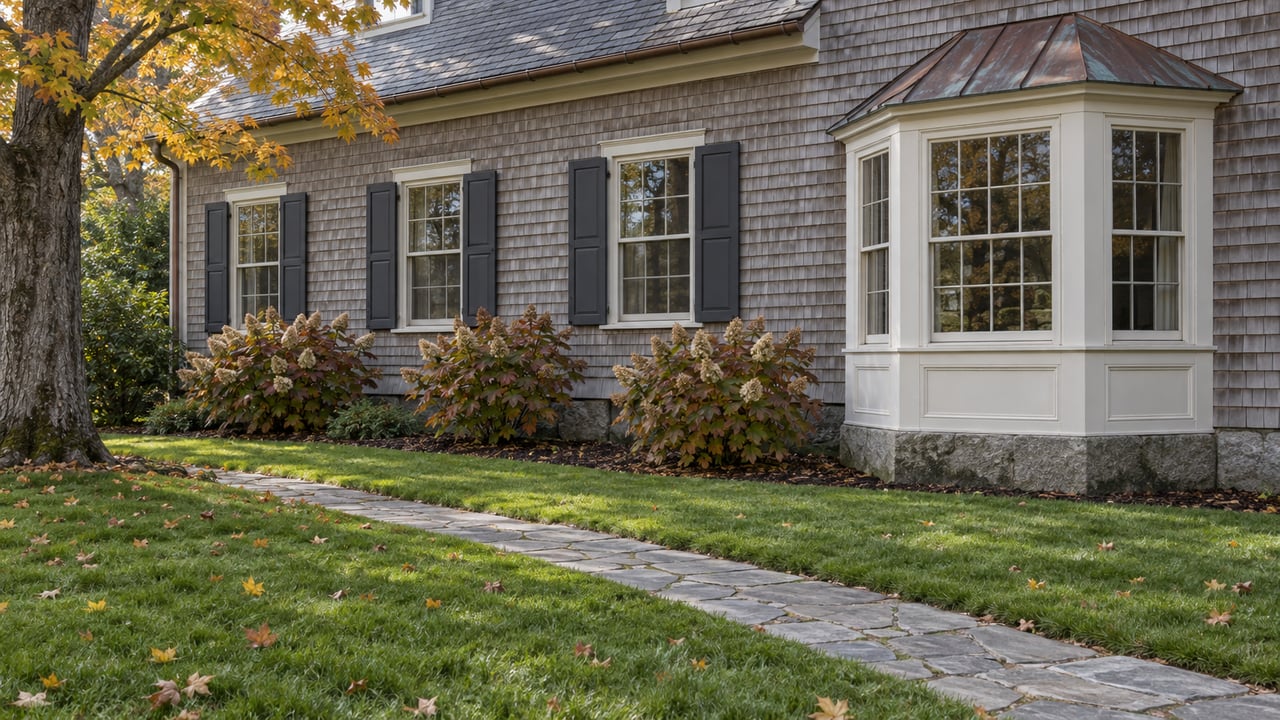
If Colonial Revival is formal and balanced, Shingle Style often feels softer and more fluid. National Park Service style descriptions point to natural wood shingles, steep multi-gabled roofs, asymmetrical massing, large covered porches, and casement windows.
In Wellesley, this style is closely tied to estate-era settings and larger parcels, especially where mature trees and landscape create a more natural backdrop. That makes it especially compelling in areas where luxury is expressed through scale, privacy, and a less rigid facade.
A strong local example is 48 Livermore Road, a two-and-a-half-story Shingle-style home built around 1910 in Wellesley Hills. Town review materials note that the surrounding houses are fairly large and that a proposed addition would remain in keeping with both the home’s style and the neighborhood’s scale.
Another useful example is 202 Cedar Street, described by the Historical Commission as eclectic, with both Colonial Revival and Shingle Style elements. That kind of overlap is part of what makes Wellesley architecture interesting. Not every home fits neatly into one box.
Why Shingle Style stands out
Shingle Style often appeals to buyers who want:
- A more relaxed exterior presence
- Strong connection to the landscape
- Large porches or outdoor living areas
- Less rigid symmetry
- A home that feels substantial without feeling formal
On larger Wellesley parcels, this style can feel especially natural. It often pairs well with terraces, secondary wings, and garages set back from the main facade.
Tudor Revival brings picturesque detail
Tudor Revival is another style that helps define Wellesley luxury homes, especially in later subdivisions and on larger lots. Typical features include steeply pitched roofs, dominant cross-gables, decorative half-timbering, tall narrow windows, and prominent chimneys.
This style creates a very different visual effect from Colonial Revival. Instead of balance and symmetry, Tudor Revival often emphasizes variety in massing and a more storybook-like profile. That can create a strong sense of arrival from the street.
The Kenilworth Road and Kenilworth Circle subdivision offers a useful local case study. Developed from 1929 to 1959, the area included Colonial and Tudor Revival homes in its early phase, followed later by modified Cape Cod, New England Colonial box, and Garrison forms. Public records for 52 Kenilworth Road help illustrate this mix.
Why Tudor still matters today
Tudor Revival’s legacy continues to influence custom-home design in Wellesley. Current planning records show that newer luxury construction is still evaluated in terms of scale, rooflines, setbacks, and landscape relationship.
A recent review for 31 Old Farm Road describes proposed new construction on a 56,007-square-foot lot, with a 2.5-story house, generous setback, preserved trees, and design intended to maintain neighborhood scale. That is a good example of how luxury in Wellesley is often about fitting the site well, not just building large.
Lot size and site shape luxury
One of the clearest lessons from Wellesley’s public records is that style and site go together. The town’s preservation guidelines say new work should retain established property-line patterns, setbacks, orientation, circulation, and landscape elements. They also say additions and new buildings should relate visually to neighboring historic buildings without directly copying them.
That helps explain why luxury homes here are often judged by more than the facade. Side drives, set-back garages, porches, terraces, secondary wings, and roof forms that step down from the main mass all play a role in how a property feels and functions.
Lot sizes in public examples show how this has changed over time. Town records list 38 Calvin Road on an 11,372-square-foot lot, 45 Windsor Road on a 34,000-square-foot lot, and 31 Old Farm Road on a 56,007-square-foot parcel. In the Kenilworth area, lot sizes ranged from 35,000 square feet to 14.3 acres.
As parcel sizes expanded, homes often became more sprawling and site-sensitive. That shift helps explain why later luxury properties in Wellesley can feel very different from earlier, more compact houses, even when they borrow from the same architectural traditions.
What buyers should look for
If you are buying in Wellesley, it helps to think in terms of style plus site. The style tells you about the home’s visual language, while the lot and layout tell you how it may live day to day.
Here is a simple way to frame the major styles:
- Colonial Revival often suits buyers who want symmetry, classical detail, and a timeless exterior.
- Victorian-era homes often appeal to buyers who value craftsmanship, character, and visible architectural history.
- Shingle Style can be a strong fit if you prefer a softer, more estate-like presence.
- Tudor Revival may appeal if you like dramatic rooflines, rich texture, and picturesque massing.
It is also worth paying attention to how the house meets the lot. In Wellesley, the most successful homes often feel settled into their site, with rooflines, setbacks, and landscaping that support the architecture rather than compete with it.
What sellers should understand
If you are selling a luxury home in Wellesley, your home’s architectural identity is a market asset. Features like roof shape, entry composition, window proportions, porch treatment, shingle or siding patterns, and the relationship between the home and the lot can all influence how buyers respond.
These are also the details that tend to photograph well and create a sense of coherence in marketing. A thoughtful addition or interior renovation is often easier for buyers to embrace when the exterior still reads clearly as a Colonial, Victorian, Shingle, or Tudor home.
Wellesley’s preservation materials also note that protected historic character in the Cottage Street Historic District has supported property-value resiliency over time. While every property is unique, that point reinforces a broader truth in this market: architectural integrity can strengthen buyer confidence.
Why local guidance matters
Luxury real estate in Wellesley is rarely just about finishes or square footage. It is about architecture, setting, and how a home fits into a larger neighborhood pattern.
That is why buyers and sellers benefit from guidance that goes beyond the listing sheet. Understanding whether a home’s value comes from symmetry, craftsmanship, estate-like siting, or neighborhood fit can sharpen pricing, marketing, and acquisition strategy.
If you are evaluating a significant property, planning a sale, or searching for a home with enduring architectural appeal, The Lara & Chelsea Collaborative can help you navigate Wellesley’s luxury market with the local perspective, discretion, and white-glove service these homes deserve.
FAQs
What architectural style is most common in Wellesley luxury homes?
- Colonial Revival is the most consistently visible high-end house style in Wellesley, with local examples showing symmetrical facades, centered entries, and classical detailing.
What defines a Colonial Revival home in Wellesley?
- In Wellesley, Colonial Revival homes often feature side-gable roofs, balanced window placement, centered porticos or entries, sidelights, shutters, and a formal, proportioned appearance.
How can you identify a Shingle Style home in Wellesley?
- A Wellesley Shingle Style home often has natural shingle cladding, asymmetrical massing, steep multi-gabled roofs, large porches, and a softer, more landscape-driven presence.
Are Victorian homes part of Wellesley’s luxury market?
- Yes. Late nineteenth-century Victorian homes contribute character, craftsmanship, and architectural variety, especially for buyers who appreciate historic detail and homes that evolved over time.
What should buyers look for beyond style in Wellesley?
- Buyers should look at style plus site, including lot size, setbacks, rooflines, landscape relationship, garage placement, and how well the home fits the street and surrounding homes.
Why does neighborhood context matter for luxury homes in Wellesley?
- Wellesley’s preservation and review framework places strong emphasis on how homes relate to their lots, streets, and surrounding buildings, so context can influence both long-term appeal and marketability.