Timing your sale is one of the biggest levers you control for price and days on market. If you’re planning to list in Wellesley within the next 6 to 12 months, you deserve a clear, local plan rather than guesswork. In this guide, you’ll learn when buyers are most active, how Wellesley’s neighborhoods behave, and exactly how to prep your home so you can launch at the right moment with confidence. Let’s dive in.
What determines the best time to sell
The “best time” depends on a few predictable drivers in Greater Boston and Wellesley:
- Buyer demand cycle. Activity typically peaks in spring, with a secondary bump in early fall. Spring often yields the largest buyer pool and stronger prices.
- Inventory and competition. Winter has fewer listings and fewer buyers; spring brings more competition. Pricing strategy should flex with supply.
- School-year timing. Many buyers aim to move in summer and settle before school starts. Listings that go under agreement in spring tend to close in early summer.
- Mortgage rates and affordability. When rates are higher, the pool shrinks and strategy matters more. Targeting well-qualified or cash buyers becomes important.
- Property type and price tier. Luxury estates see buyers year-round and longer lead times. Entry and mid-market single-family homes and condos are more seasonal.
Seasonal patterns in Wellesley
Most analyses of national and metro markets show spring as the strongest period for price and speed, with May often highlighted. Early fall is the clear second window. Winter is slower, and mid-summer can pause as people travel. Here’s how that plays out locally.
Why spring works in Wellesley
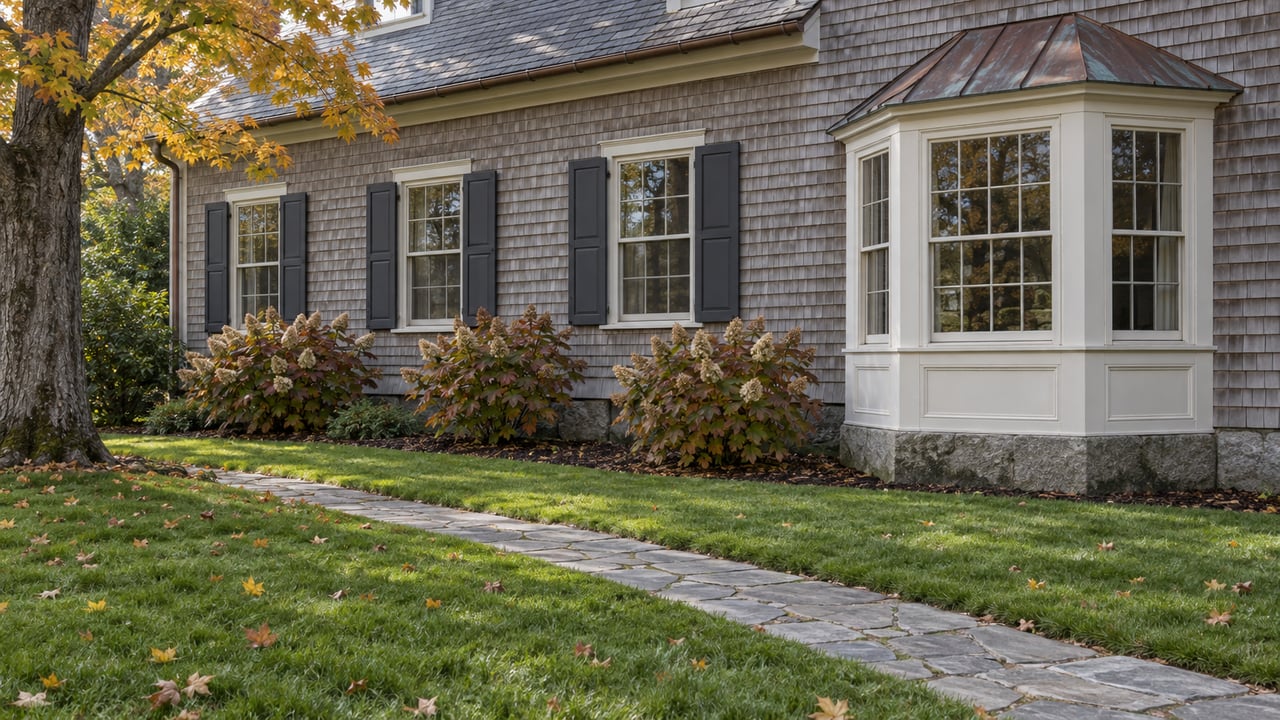
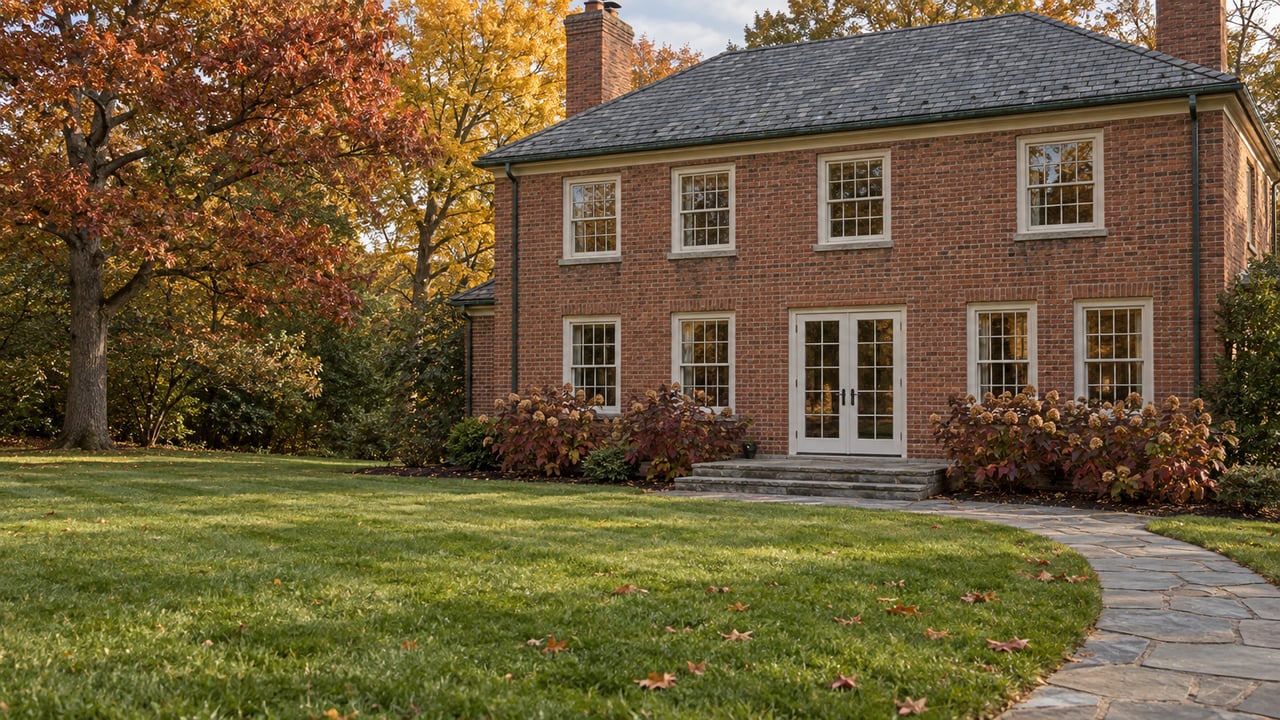
Spring aligns with family move schedules and better weather. Landscaping, light, and curb appeal lift photos and showing traffic. Because more homes also list in spring, strong presentation and sharp pricing help you stand out.
How fall behaves
After summer vacations, motivated buyers return. Early September into early October can be productive, and there’s usually less competition than spring. A well-prepared listing can secure strong offers without a crowded field.
What to expect in summer and winter
July and August can be slower as travel picks up, though some families push to close before school. November through February bring fewer showings and lower average list prices, but the buyers shopping then are often serious and focused.
Wellesley micro-markets and buyer types
Wellesley isn’t one market. Neighborhood features, lot size, and price point influence timing and strategy.
Wellesley Square and walkable areas
Homes near the town center and village amenities attract buyers who value convenience and the commuter rail. Spring and early fall suit their search patterns. Focus on great photography, easy showing access, and a polished first week on market.
Wellesley Hills, Wellesley Farms, and larger lots
These areas often include larger homes and higher price points. Buyers may search year-round and take longer to decide. Seasonality is milder at the top end, but spring and fall visuals still help. Expect longer lead times for bespoke marketing and private showings.
Condos, townhomes, and smaller-lot properties
These homes can appeal to downsizers and first-time buyers. Spring brings the most competition and traffic, but a smartly priced fall listing can perform well. Emphasize turnkey condition and flexible closing timelines.
Near commuter rail
Proximity to stations adds weekday convenience for Boston-bound buyers. Spring and early fall align with relocation and job cycles. Weekend open houses and efficient midweek showings matter here.
When to list based on your goals
Family-oriented single-family homes
To close by early summer and be settled before the school year, list in late April or May. You’ll catch peak buyer activity and still allow time for a 30 to 60 day close.
Luxury estates and unique properties
High-end buyers shop year-round. You can be flexible on timing and focus on tailored marketing, privacy, and quality of presentation. Spring and early fall still offer the best visuals.
Condos and downsizer-friendly homes
Spring maximizes exposure, but an early fall listing can tap motivated buyers returning from summer travel. Prep to be photo-ready in either window.
A 6 to 12 month prep timeline
Use this month-by-month plan to get market-ready with less stress and better outcomes.
12 months before listing
- Schedule a local market consult to review comps and micro-market behavior.
- Scope major projects: structural repairs, roof, HVAC, and any kitchen or bath work.
- Start permits early if needed; municipal timelines can add weeks or months.
6 to 9 months before
- Get multiple contractor bids and reserve calendars for popular trades.
- Consider a pre-listing inspection for roof, structure, HVAC, and pests.
- Begin decluttering and plan storage; decide on staging level.
3 to 6 months before
- Complete exterior work and landscaping. For spring, finish in late winter or early spring; for fall, wrap by late summer.
- Ask your agent for an updated CMA and target list date.
- Assemble a property folder: warranties, permits, surveys, utility history, and certificates as relevant.
4 to 8 weeks before listing
- Deep clean, handle minor repairs, and finalize staging.
- Schedule professional photography to capture peak curb appeal.
- Finalize price strategy and marketing plan, including open house dates.
2 to 3 weeks before listing
- Walk the property with your agent to fine-tune staging and updates.
- Consider limited pre-market previews for qualified buyers to gather feedback.
- Lock in launch logistics for maximum first-week visibility.
Listing week and after
- Go live with polished visuals and clear neighborhood highlights.
- Execute the pricing plan. Decide whether to price for broad interest or aim for a targeted buyer.
- Monitor the first two to three weeks closely. Most activity concentrates early.
Pricing and tactics by season
Spring (April to June)
- Advantages: biggest buyer pool and strong chance of multiple offers if priced right.
- Tradeoffs: more competing listings; buyers can be selective.
- Strategy: price competitively, invest in standout photography and staging, and be flexible on showings.
Early fall (September to early October)
- Advantages: motivated buyers and less competition than spring.
- Tradeoffs: slightly smaller pool and shorter runway before holidays.
- Strategy: leverage lower inventory, emphasize move-in timing, and maintain crisp presentation.
Mid to late summer (July to August)
- Advantages: buyers with firm school timelines may act decisively.
- Tradeoffs: vacation schedules can reduce traffic.
- Strategy: keep pricing and terms attractive; offer flexible access and quick decision timelines.
Winter (November to February)
- Advantages: fewer listings and serious buyers.
- Tradeoffs: lower average prices and limited curb appeal.
- Strategy: focus on interior staging, lighting, and targeted outreach. Price to meet the market and reduce friction.
Luxury-specific notes
Time on market is less tied to month and more to quality of marketing, privacy, and reach. Prioritize curated media, private showings, and high-touch follow-up over strict seasonality.
Legal and logistics in Massachusetts
- Disclosures. You must disclose known material defects. Align with your agent and attorney to stay compliant.
- Title V for septic. If applicable, schedule inspection early to allow for any remediation and certification.
- Permits. Resolve open permits before listing to avoid delays in underwriting and closing.
- Appraisals and financing. Organized documentation and pre-inspection can smooth underwriting, especially when multiple buyers are financing.
- Occupancy and closing. Plan your list date to allow a realistic 30 to 60 day close, or negotiate post-closing occupancy if needed.
Your next steps
- Book an initial consult to review neighborhood comps, timing scenarios, and a projected net sheet for spring and fall.
- Inventory projects and secure contractor timelines now. Lead times can stretch in peak seasons.
- Consider a pre-listing inspection to address issues before launch.
- Start decluttering and coordinate staging to match your target season.
- Gather property documents and plan exterior work around your desired photo window.
When you are ready, request a personalized timing and prep plan tailored to your home, neighborhood, and goals. Connect with The Lara & Chelsea Collaborative to start your strategy.
FAQs
What is the best month to list a home in Wellesley?
- Spring, particularly late April through May, typically aligns with peak buyer activity and supports summer closings.
Is early fall a good time to sell in Wellesley?
- Yes. September and early October bring motivated buyers and less competition than spring, which can yield strong results.
Should I wait to sell if mortgage rates are high?
- Not necessarily. Well-qualified buyers remain active. Adjust pricing and presentation, and reduce friction with pre-listing inspections and complete documentation.
How far in advance should I plan landscaping and exterior work?
- For spring photos, finish by late winter or early spring. For fall listings, complete exterior work in late summer.
Does seasonality matter for luxury properties in Wellesley?
- Less so. High-end buyers shop year-round. Focus on tailored marketing, privacy, exceptional visuals, and targeted outreach rather than a specific month.