Ask which part of Wellesley costs the most, and the honest answer depends on which number you trust: the one on the closing statement or the one you'd get from measuring the house.
By total price, Cliff Estates wins without much of an argument. Recent neighborhood-level market snapshots put its median home price near $4.645 million, well above anywhere else in town. By price per square foot, the crown goes somewhere most buyers wouldn't guess: Linden Square, the walkable retail pocket built around Roche Bros. and the Wellesley Hills train stop, where homes have recently traded near $949 per square foot, close to 40 percent higher than Cliff Estates on that same measure.
Both numbers are accurate. They just describe two different markets wearing the same town name, and a buyer who anchors on the wrong one will misread how competitive a neighborhood actually is, and how fast they need to move.
What the Town-Wide Number Hides
Zoom out first. Over the six months ending in August 2026, Wellesley recorded 203 tracked closings at a median sold price of $2.15 million, with the middle half of all sales falling between $1.365 million and $3.05 million. Redfin's three-month window through July 2026 shows a similar story from a different angle: a median sale price of $2.4 million, up 9.7 percent year over year, with homes going under agreement in a median of 15 days. Year to date through roughly the same period, single-family homes averaged $2.56 million across 82 closings, up from $2.34 million a year earlier, with sellers fielding offers at 100.9 percent of list price and just 2.6 months of supply on the ground, a seller's market by any conventional measure.
None of those figures tell you what a specific street or village actually costs. Wellesley's neighborhoods aren't official boundaries. They're names the market itself created, Cliff Estates, Wellesley Farms, Wellesley Hills, Wellesley Square, Linden Square, Dana Hall, the Fells, and each one behaves like its own micro-market once you break the town-wide median apart.
The Split, Village by Village
| Neighborhood | Typical Price Band | Price per Square Foot | Typical Time to Sale |
|---|---|---|---|
| Cliff Estates | ~$2.5M–$10M+ | ~$674 | ~103 days |
| Wellesley Hills | ~$1.8M–$4M+ | ~$627 | ~93 days |
| Wellesley Farms | ~$2.3M–$6M+ | ~$762 | ~58 days |
| Dana Hall | ~$1.8M median | not reported at this granularity | ~57 days |
| The Fells | ~$1.5M | not reported at this granularity | ~59 days |
| Wellesley Square | ~$1.5M | ~$824 | mid-50 day range |
| Linden Square | ~$1.5M | ~$949 | ~33 days |
These figures come from recent MLS-derived neighborhood snapshots and reflect a handful of closings a month in any given pocket, so treat them as directional rather than fixed. But the pattern across sources is consistent enough to trust: total price and price per square foot move in opposite directions as you cross town.
Why the Priciest Homes Sell the Slowest
Cliff Estates and Wellesley Hills, the two neighborhoods carrying the highest total price tags, also carry the longest average time on market, 103 and 93 days respectively in recent snapshots. That's not a sign of weak demand. It reflects a narrower buyer pool. A $4.6 million home only has so many qualified buyers at any given moment, and each one is shopping carefully, often against a small handful of comparable listings, since recent snapshots showed only 5 active listings in Cliff Estates and 6 in Wellesley Hills at once.
Linden Square runs the opposite playbook. At roughly $949 per square foot, a buyer is paying the highest rate in town for square footage, but the total check is smaller, the buyer pool is wider, and the neighborhood has recently moved in a median of around 33 days, the fastest pace among Wellesley's named villages. Wellesley Square, the walkable retail core anchored by the commuter rail station, Wellesley Books, and the town library on Washington Street, shows a similar pattern at around $824 per square foot.
There's a second reason the total-price ranking is shakier than it looks. With only three or four closings a month in a neighborhood as small as Cliff Estates, one outsized sale, a torn-down lot rebuilt into an 8,000-square-foot new construction, for instance, can swing that month's "median" by hundreds of thousands of dollars. Price per square foot is less sensitive to that kind of outlier, which is part of why it tells a steadier story about what a location is actually worth than the sticker price of whichever handful of homes happened to close that month.
What's Actually Being Priced
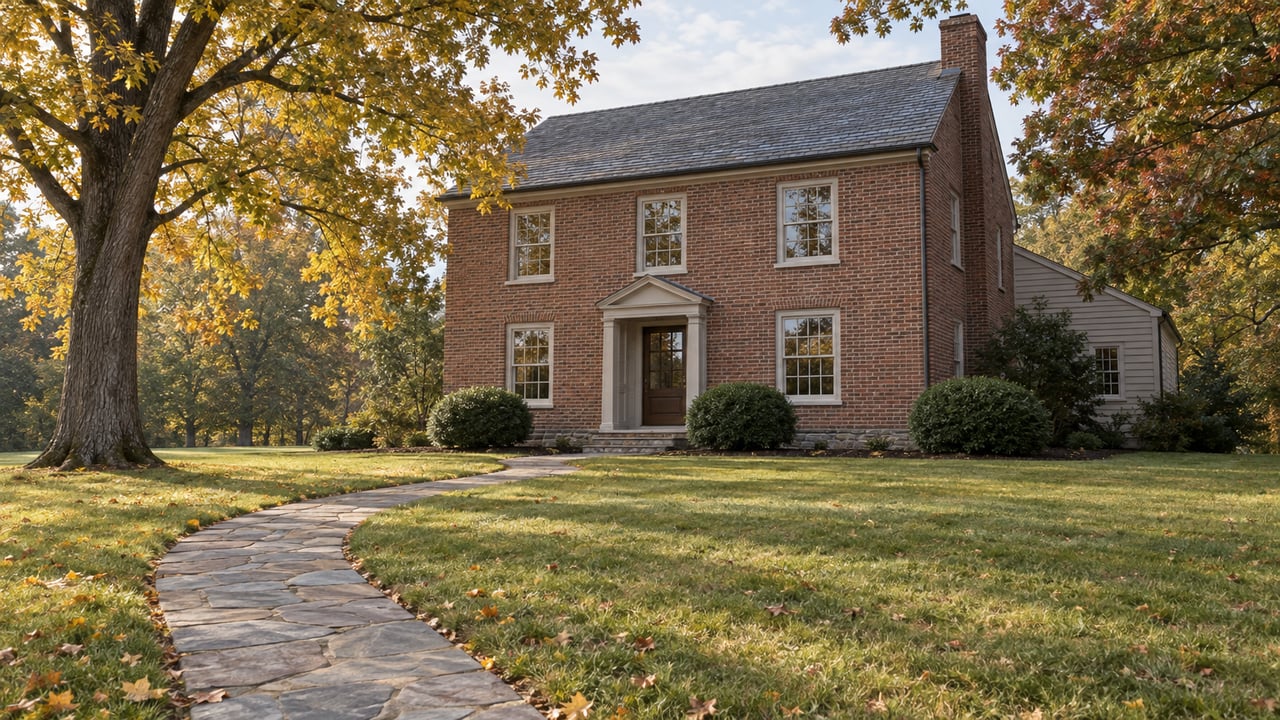
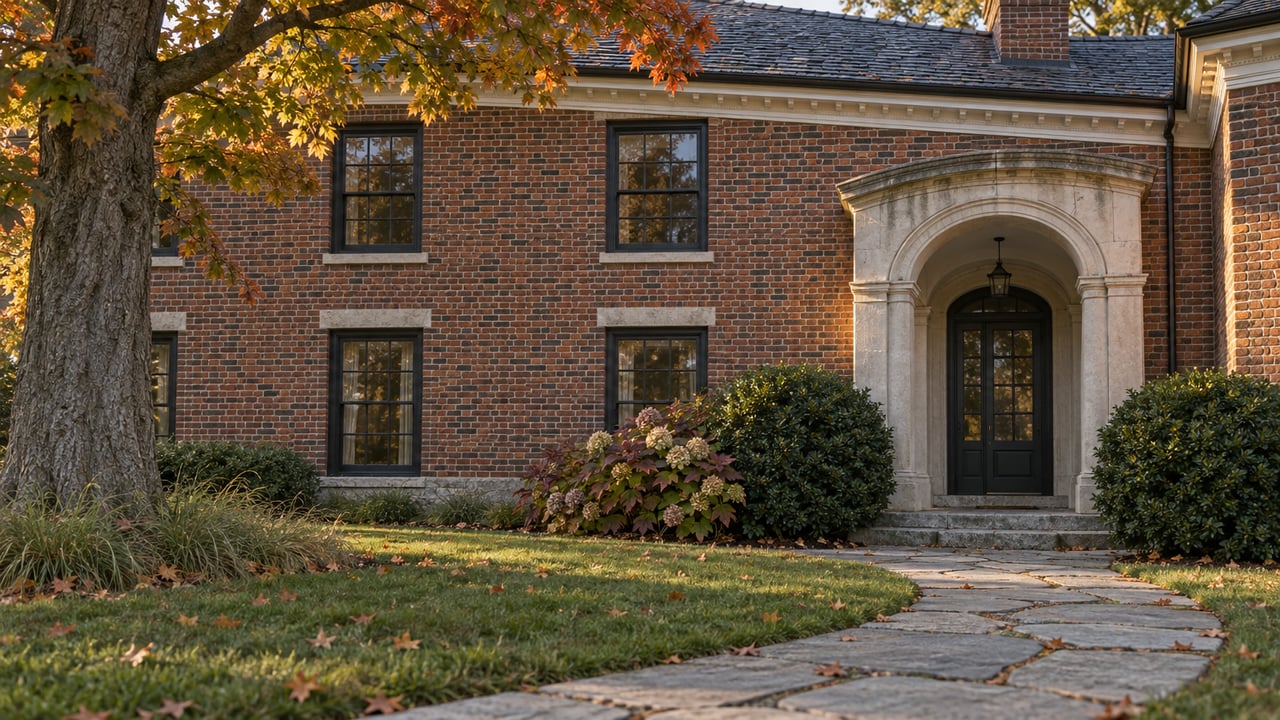
The mechanism underneath all of this is straightforward once you separate the two numbers. Total price mostly captures lot size, privacy, and land. Cliff Estates and Wellesley Farms both trade on wide frontages, mature tree cover, and separation from the street, the kind of scale that pushes total price up without necessarily pushing price per square foot up at the same rate. Price per square foot mostly captures proximity and walkability. Linden Square and Wellesley Square sit inside the only stretches of town where Wellesley's otherwise car-dependent character gives way to something walkable, within a short distance of one of the town's three MBTA commuter rail stops on the Framingham/Worcester Line, each running to Back Bay in roughly 22 to 28 minutes.
That distinction shows up in daily life, not just spreadsheets. Families in the Fells walk to conservation trails but drive for groceries. Families near Dana Hall walk to Wellesley College and Lake Waban but still drive to most errands. Families in Linden Square or Wellesley Square can walk to Roche Bros., the library, and the train, and that convenience gets capitalized into the square-foot rate rather than the sticker price, because the homes themselves tend to sit on smaller, more traditional lots.
The Supply Test Already Underway
Whether that walkability premium holds is being tested right now, not hypothetically. This spring, a proposal came before Wellesley's Design Review Board for eight townhomes, including two designated affordable units, at 10 Railroad St., a parking lot off Linden Street alongside the rail tracks near the Wellesley Square train station, just behind the Takara restaurant and Goddard School and east of the existing 35-unit Terrazza condo complex. It would be the second housing project in town filed under the MBTA Communities Law, which Wellesley came into compliance with in 2024, and the parcel itself changed hands in a multimillion-dollar deal the previous summer.
If a project like that moves forward, it adds new square footage into the exact stretch of town currently commanding the highest per-square-foot prices. That doesn't erase the walkability premium, since land immediately adjacent to a train platform stays scarce by definition, but it's the kind of local detail worth tracking if you're comparing Linden Square or Wellesley Square against the more spacious, slower-moving neighborhoods on the other side of town.
What This Means If You're Comparing Neighborhoods
If you're chasing square footage and land, the total-price ranking is the one to trust, and you should budget for a longer search and a longer time on market once you're under agreement, since Cliff Estates and Wellesley Hills both average well over 90 days. If you're chasing walkability, a shorter commute to the train, or a smaller footprint you can move into quickly, the per-square-foot ranking matters more, and you should expect to compete hard and move fast, since Linden Square has recently turned over in about a third of the time.
Neither answer is the more expensive neighborhood in any absolute sense. They're two different products, priced by two different mechanisms, that happen to share a town line. Recently, families new to the area have used Wellesley Square condos and townhomes in the roughly $700,000 to $1.4 million range as an entry point into the town without the $2 million-plus price tag that dominates most other pockets, a route that wouldn't show up at all if you were only looking at Wellesley's town-wide median.
Frequently Asked Questions
Is Cliff Estates really the most expensive neighborhood in Wellesley? By total sale price, yes, with a recent median near $4.645 million. By price per square foot, no. Linden Square has recently commanded a higher rate per square foot even though its typical total price sits closer to $1.5 million.
Why would a smaller, cheaper neighborhood cost more per square foot? Walkability and proximity to Wellesley's three commuter rail stations get priced into the square-foot rate. Lot size and privacy get priced into the total price. A compact home near Linden Square is paying a premium for location on every square foot it has. A large estate in Cliff Estates is paying for acreage that isn't finished living space.
Does a lower total price mean a better deal? Not automatically. It usually means less square footage, not less cost per square foot. Compare both numbers before assuming one neighborhood is more affordable than another.
If you're weighing a move within Wellesley, or trying to figure out which number should actually drive your search, The Lara and Chelsea Collaborative can walk through the specific villages, listings, and trade-offs that fit your plans. Request a Private Consultation to get started.